Best Phytoplankton For Corals
(AI Assisted)
5/1/20263 min read
The Short Answer
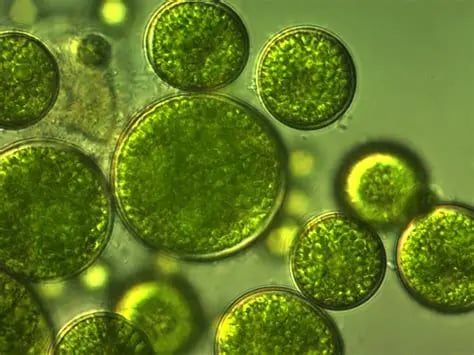
Corals are picky eaters based on mouth size. Feed tiny green algae (2-4 micron) to SPS corals like Acropora, and bigger golden algae (10+ micron) to LPS corals like Euphyllia. Mix them together and you’ve got "coral gumbo" that feeds the whole tank.
The "Big 4" for Coral Nutrition
1. Super Green (Nannochloropsis)
Best for: SPS corals (Acropora, Montipora, Bird’s Nest), Clams, Feather Dusters
Size: Tiny (2-4 microns) – fits in the smallest polyp mouths
The benefit: High protein content triggers fast tissue growth and polyp extension. This is the "broccoli" of coral food—gets the job done.
When to use: Daily broadcast dosing for SPS-dominant tanks.
2. Liquid Gold (Isochrysis / T-ISO)
Best for: Soft corals (Zoas, Palys, Mushrooms), LPS (Torch, Hammer), and all coral larvae
Size: Small (4-6 microns)
The benefit: Packed with DHA fatty acids. Think of this as the "salmon oil" for your reef—it makes colors brighter (especially pinks and purples) and boosts growth rates in low-light tanks.
When to use: 2-3x weekly for color enhancement, or daily for non-photosynthetic (NPS) corals.
3. The Big Bites (Tetraselmis)
Best for: LPS corals (Acans, Scolys, Elegance), Anemones, Goniopora
Size: Large (10-14 microns)
The benefit: Big cell mass = big meal. Corals recognize these large particles immediately and will extend feeders to grab them.
Warning: Too big for most SPS—will just float by uneaten and rot in rocks.
4. The Color Bomb (Pavlova or Rhodomonas)
Best for: All coral types (mixed reef secret weapon)
Size: Medium (5-8 microns)
The benefit: Contains astaxanthin and other carotenoids. This is how you get that "Instagram coral" look—deep blues, intense reds, and neon greens without chemical dips.
The "Coral Gumbo" Recipe (Mix Your Own)
Pro tip: Add 2 drops of liquid amino acid supplement (like AcroPower) to your phyto dose. The amino acids "trick" corals into thinking there's plankton bloom, and they open up wider to eat the actual algae.
SPS vs. LPS: Size Matters
SPS (Small Polyp Stony) – Acropora, Stylophora, Montipora:
Need: 2-10 micron particles
Method: Broadcast feed (pour into water flow)
Best algae: Nannochloropsis, Pavlova
Schedule: 3-4x per week (daily if running heavy filtration/protein skimmer)
LPS (Large Polyp Stony) – Torches, Hammers, Acans, Scolymia:
Need: 10-25 micron particles
Method: Target feed with turkey baster or pipette directly on polyps
Best algae: Tetraselmis, Thalassiosira weissflogii, chunky blends
Schedule: 2x per week (they also catch detritus)
Soft Corals – Zoanthids, Mushrooms, Kenya Tree:
Need: 2-20 micron range (not picky)
Method: Broadcast only (target feeding causes algae blooms on their tissue)
Best algae: Isochrysis (they love the fats)
NPS (Non-Photosynthetic) – Sun Corals, Chili Corals, Gorgonians:
Need: Massive amounts, multiple times daily
Method: Target feeding with pumps off
Best algae: Concentrated Tetraselmis + Rotifers (phyto alone isn't enough—they need meat too)
Live vs. Bottle: What Actually Works
TypeBest ForReality CheckLive culturesBreeding tanks, serious SPS growersBetter nutrition but dies in 2-3 weeks in your fridge. Expensive to ship.Concentrated paste (Reef Nutrition, Phyto-Feast)90% of hobbyistsBest bang for buck. Frozen or refrigerated, lasts 3-6 months.Powdered/freeze-driedBackup/emergency onlyCorals often reject it; clogs filters. Skip unless desperate."Refugium-grown" liveContinuous dosing systemsIf you have a phyto reactor, this is the holy grail. Zero cost after setup.
Budget winner: Buy a 6oz bottle of concentrated Nannochloropsis + Isochrysis blend (like Reef Nutrition's "Phyto-Feast" or similar). Keep in fridge. Use 1 capful per 25 gallons twice weekly. Lasts 3 months.
How to Feed Without Wrecking Your Tank
The Golden Rules:
Lights ON for photosynthetic corals – They need energy to process the food. Feeding phyto at night can cause bacterial blooms.
Turn off skimmer for 30-60 minutes – Let the algae circulate before the skimmer pulls it out. (Keep return pumps on.)
The "Smoke Test" – When you dose, the water should look like faint green smoke, not pea soup. If you can't see the back of the tank, you've overdosed.
Feed corals, not the water – If you're not seeing polyp extension within 10 minutes of dosing, you're either:
Using the wrong size (too big for SPS, too small for LPS)
Feeding when nutrients are already too high (corals are "full" on fish waste)
NPS Exception: Feed these guys when lights are OFF (they're nocturnal), and use a target feeder. Turn flow off for 5 minutes so the food doesn't blow away.
Troubleshooting
"My corals look fat but colors are dull"
→ You're feeding protein (Nannochloropsis) but not fats (Isochrysis). Add the golden algae for lipid content that transports pigments.
"Water turns cloudy for days"
→ You're feeding Tetraselmis to SPS corals that can't eat it. Switch to smaller particle size or your nutrients will spike.
"No polyp extension during feeding"
→ Check phosphate levels. If PO4 is above 0.1ppm, corals stop feeding response. Fix water chemistry first, then feed.
"Brown jelly algae outbreak after starting phyto"
→ You're overfeeding and creating phosphate sinks. Cut dose in half and add more cleanup crew (snails/hermits).
© 2026 Orr Biologicals. All rights reserved.