How to Grow Spirulina at Home
Discover cultivation strategies for your home to incorporate spirulina into your diet! DIY and cheap photobioreactor to maximize performance. grow spirulina at home
GUIDES
12/1/20258 min read
Disclaimer: Before embarking on your journey, please read the terms and conditions.
Briefing
In order to grow spirulina, just some scientific backround. Spirulina, also known as Arthospira Maxima is a cyanobacterium that thrives in warm, alkaline waters. They require specific salts, nutrients, and conditions to photosynthesize, just like plants. More specifically, temperature should be 95-98 degrees Fahrenheit for optimal growth. Furthermore, the PH for optimal growth should be 9.5-10.5. Another factor would be to use a light meter on a phone that measures LUX in order to determine whether the algae cells are getting enough light. The lux should measure between 5000-10000. Also should be nutrients. Here is a list of equipment. There are two species of spirulina; Arthospira Maxima and Platensis: Maxima has curled morphology while Platensis is straighter. For S. maxima, 35°C and for S. platensis, 30°C. We prioritize A. Maxima.
List of Materials
1. Containers/Growing Vessel
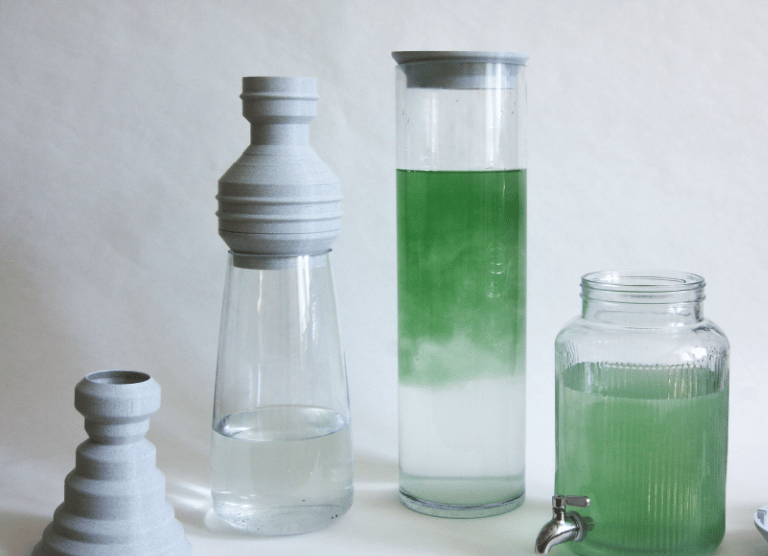
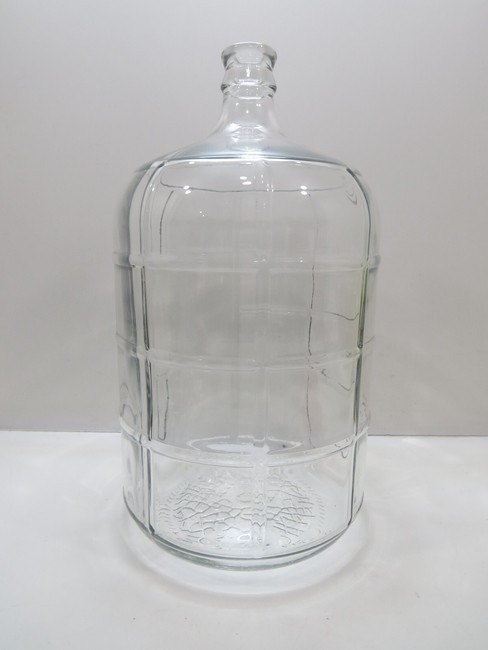
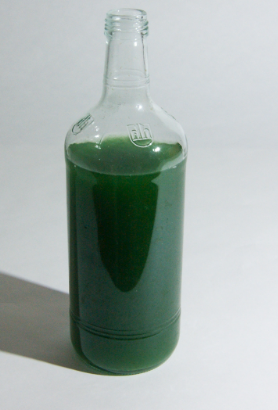
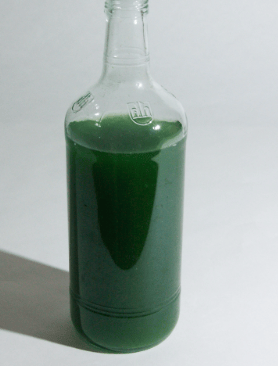
For a growing vessel, it should be cylindrical and transparent to allow light to penetrate the algae culture for the cells to photosynthesize. Also, it needs to be food safe, so a glass vessel should be fine. You can use borosilicate glass or polycarbonate, as it does not leech chemicals and is durable. It should have a cap or covering of some sort. A five gallon glass jar is best for transparency and food safety. For home cultivation, you can expect to yield about 5 grams of spirulina biomass per liter of algae. It can take 8-10 days for home cultivation systems to yield this amount of spirulina, but this varies up to 4 weeks for larger containers. Go for 10-20 liter containers for 5-10 grams of spirulina. It can take longer if you start with a small inoculation and want to scale to larger amounts. Experiment with this, Spirulina grows faster or slower depending on the enviroment you provide it! Do be careful to make sure put the vessel away from wires or places where spills are dangerous.
For larger operations, go for food safe plastic carboys or even photobioreactors for businesses.
Search for "5 gallon plastic/glass water jug dispenser transparent" or "5 gallon glass/plastic water jug" depending if you want a spigot or not. Or, you can use a pump which we will discuss later.
Glass water jug ~$50 or cheaper Plastic drink dispenser, pretty cheap ~$15 but less durable. Recommended because the spigot means a pump is not needed to harvest spirulina.
2. Lighting
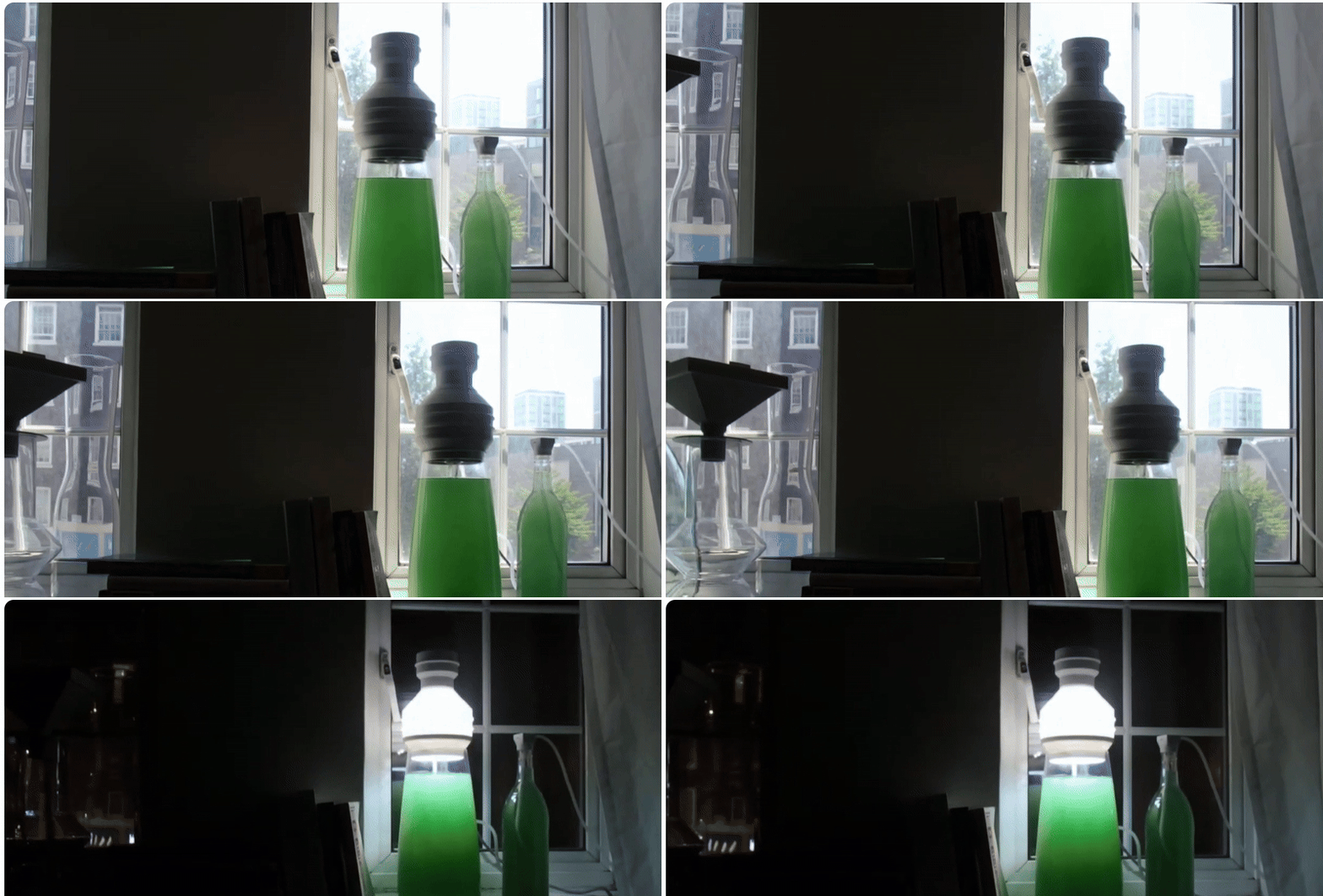
Spirulina are evolutionary considered as plants, and as such, they also are photosynthetic meaning they require sunlight for growth. In order to ensure the spirulina is getting adequate light, use an app on your phone and download a light meter app like LUX meter to measure light illuminance. Open the app and point the camera through the spirulina culture and see what the LUX value is. It should be between 2,000-4000 LUX, according to many studies. As for the light source, you can place the culture on a sunny window ledge or even outside. Or, you can use LED lights that have the entire spectrum with spikes in red and blue.
If you are a more advanced grower, use a PAR meter (Photosynthetically active radiation meter) to see what light photosynthetic organisms like spirulina can actually utilize for photosynthesis. They are pricey for higher end models, but are a good investment. A PAR meter works by measuring light waves within the 400–700 nm range used for photosynthesis. However, the Photosynthetic Photon Flux Density (PPFD) is the official name for measuring the amount of light photons that hits the sensor. A higher number of PPFD indicates more usable light for the plant. Basically, spirulina can only absorb wavelengths in the 430 and 680 nm, so a PAR meter will help you find out how much light spirulina is getting. Aim for 80-550 µmol m⁻² s⁻¹ reading within the PAR. To summarize, a PAR meter is like a filter that eliminates the part of the light spectrum that algae doesn't use, an PPFD measures the amount of light photons that can be utilized.
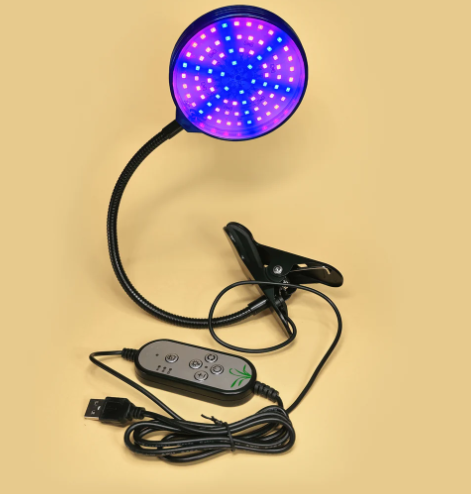
Here is a cheap light to grow spirulina
3. Heating
Spirulina is a heat loving cyanobacteria by nature. To provide fast growing rates, a submersible aquarium heater is needed. I find spirulina grows alright without a heater at room temperature, but this results in a slower growth rate. To accelerate growth, aim for 86-95 degrees Fahrenheit (30-35 c) which can be done with an aquarium heater. A 50 watt heater is good for maintaining the temperature, but make sure it is adjustable to the optimal range. Make sure the temperature does not fall below 60 degrees Fahrenheit (15.5 c) or rise above 100 degrees Fahrenheit (37 c)
4. Culture Media and Harvesting
Like any other algae, spirulina needs nutrients and a special set of salts to grow. More specifically, the Zarrouks medium, BG-11, and Modified F/2 from algae research and supply. If you are a beginner, try out this formulation that gives the most bang for your buck, which is basically Zarrouks medium. For these ones, just follow the directions and add to filtered, nonchlorinated water or something similar. Feed the spirulina culture all at once with the media.
For those of you that are on a tight budget or want a challenge, consider making your own spirulina media. You can do this by reviewing the resources below and measuring out the exact amounts of nutrients.
We are not responsible for the content and the resulting outcomes of executing the contents of these sites.
Spirulina medium - HealthAlgae-Medium
CAUTION: EXPERIMENTAL FORMULATION ONLY Homemade Low-tech Organic Spirulina Culture : 19 Steps - Instructables
To cultivate spirulina, adding Sodium Bicarbonate (Baking Soda) may be needed if the PH drops below 9.5. Test using litmus paper which you can buy online for little cost. In order to help to measure out the amounts, use a very sensitive scale. Remember, always order food grade materials.
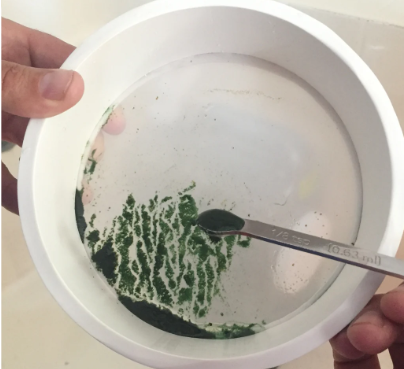
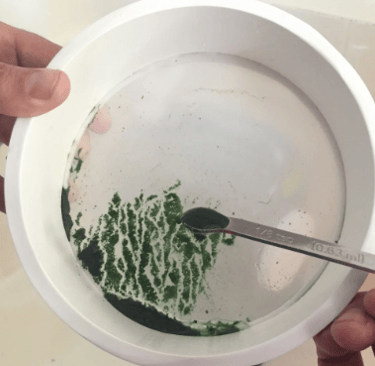
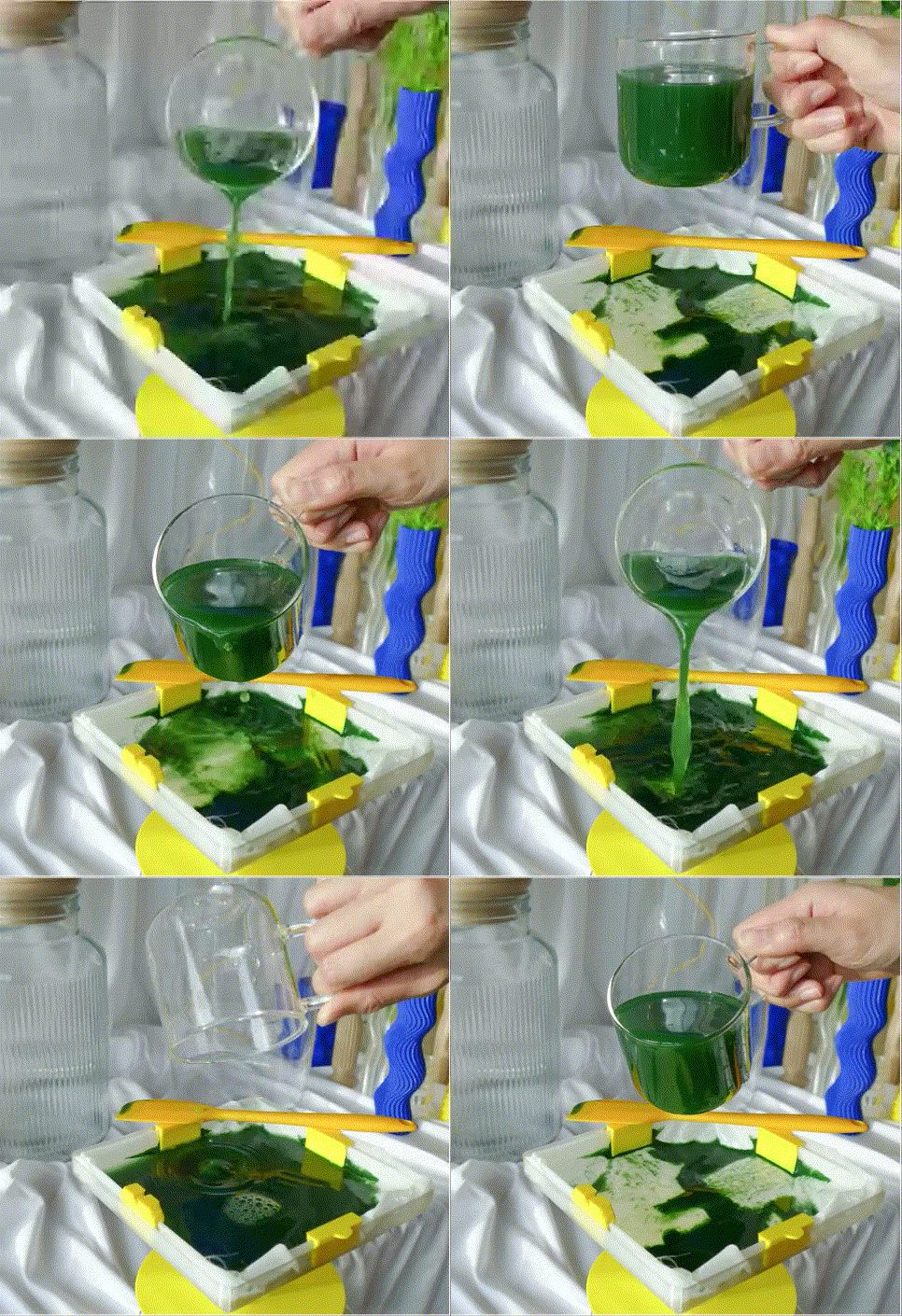
After it is ready to harvest, what you want to do is siphon or use a dispenser for how much spirulina you want. First, place the siphon over a bucket and separate the biomass from the media using a fine mesh. Then, put the spirulina biomass aside and reuse the leftover spirulina water that can create a new culture. Rinse the spirulina with drinkable water to remove potential contaminants like leftover media and bicarbonate.
There are three ways to cultivate spirulina; Batch, Semi-continuous, and Continuous cultures. In batch cultivation, add the nutrients for 5 gallons, wait for peak biomass, and then harvest all the biomass leaving the leftover spirulina water to restart.
Semi-continuous takes out a certain amount of the spirulina like 30% and replacing it with fresh media, although overtime contamination may take over.
Continuous cultures are the most efficient and used by the algae cultivation industries. It works by growing the spirulina to max concentration, then harvesting a set amount where 1mL of culture media yields 1mL of spirulina biomass that needs to be replaced. Contamination is a risk factor however.
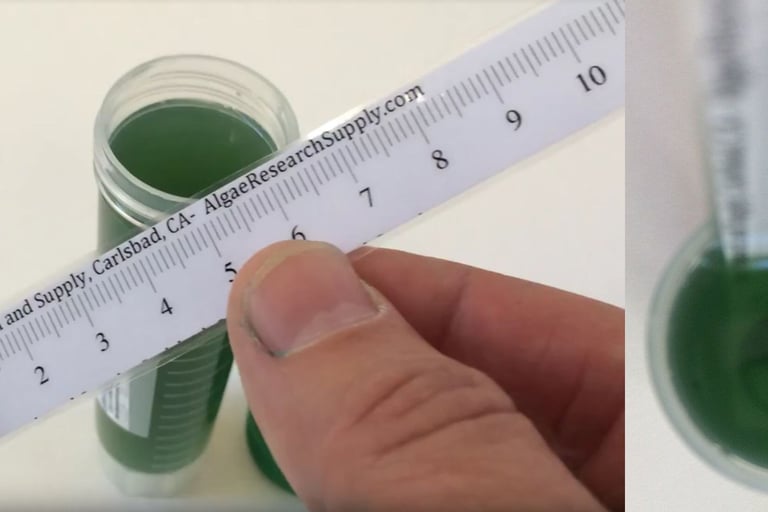
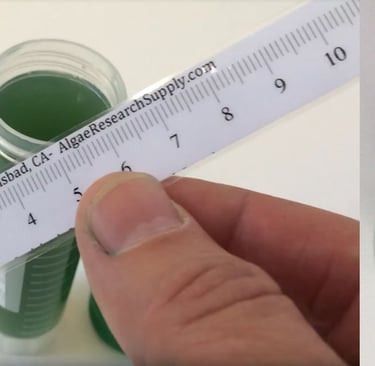
To measure when the culture is ready to harvest, you can use a turbidity monitor or a Secchi stick. These measure how much light can penetrate the culture until the measuring part of the secchi stick is not visible anymore. It measures estimated biomass or yield.
Batch, Semi-continuous, and Continuous Cultures – Algae Research Supply
How to Grow your own Algae at Home | Spirulina
The Dirty Lab Coat: Harvesting Spirulina
5.Aeration
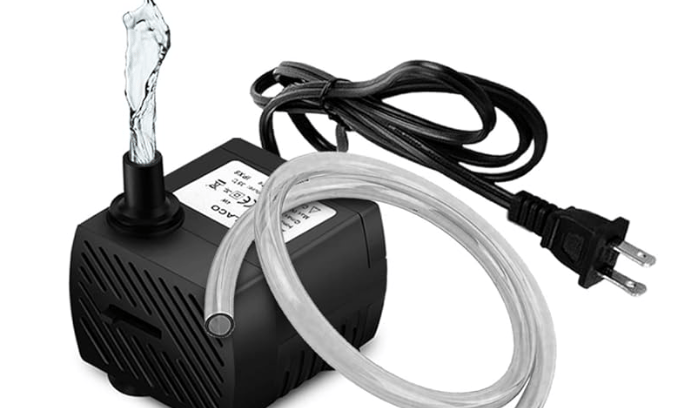
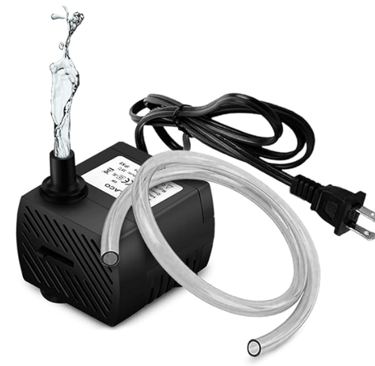
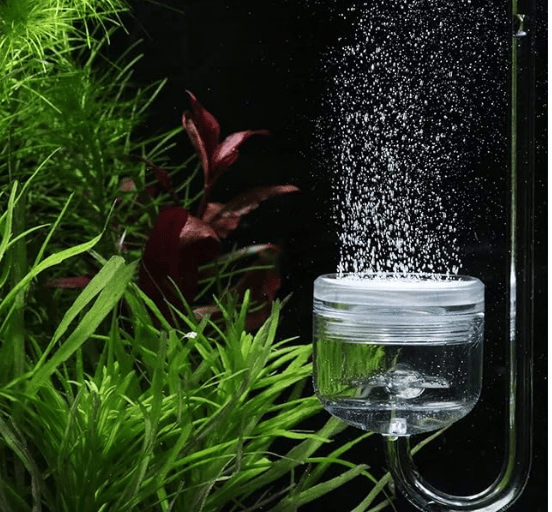
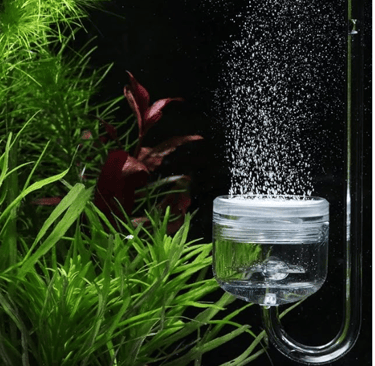
For optimal growth, spirulina require adequate access to carbon dioxide. For simple set ups, simply gently swirl the algae culture a few times a day. For more advanced home growers, using an aquarium submersible pump is good. A co2 diffuser also works well, although requires more materials like a Co2 canister. Try not using air stones, as spirulina and other contaminating organisms may form biofilms that impede the health of the culture.
6. Obtaining a Culture
To grow spirulina, you need a living starter culture. When you receive it, immediately open the lid and microscopically check for contamination. If it is fine, transfer to new media and light. Here is a list of verified sellers: Buy Live Spirulina Culture from Fellow Growers Near You AlgaeLab Live Spirulina with NO FAIL Guarantee & Free U.S. Shipping! – AlgaeLab Store Spirulina – Algae Research Supply
6.Consuming
Here is a checklist of things to do before consuming Spirulina:
Read our terms and conditions below
Rinse the spirulina with drinkable water before consuming
Do not consume weird clumps of different colors; restart the culture and discard the biomass.
DO NOT EAT SPIRULINA IF THE CULTURE SMELLS, HAS A COLOR OTHER THAN DARK GREEN, THE PH FALLS ABOVE OR BELOW 9-10 PH
Store properly and consume within 2 days of harvesting for fresh spirulina in a refrigerator. Drying and freezing can make the spirulina last much longer. It like meat basically.
Always use food grade ingredients
USE COMMON SENSE; Don't store near dirty areas where pests can find it!
Consult your physician if you are on medications, immunocompromised, or have any other health conditions, or are eating more than the recommended dose
Consult a physician if you notice any adverse effects
Do not take if allergic
Verify with a microscope; you should only see spirulina corkscrews; if not, do not eat
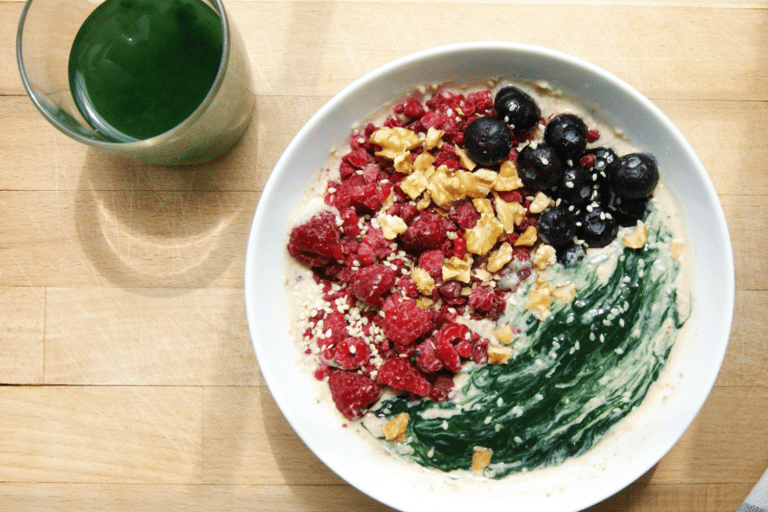
Spirulina is a great source of nutrition, especially concerning proteins and antioxidants. However, it should not replace a healthy diet, and you should only consume 1-20 grams of Spirulina daily. For maximum nutrition, incorporate fresh spirulina into your smoothies, porridge, toast, salads, and more. Spirulina has a neutral, faint seafood-like taste when cultivated correctly. Fresh spirulina is perishable, so store in the refrigerator and consume within 2 days. You can dry or freeze spirulina, making it last for months. Keep a backup culture separate from the main one.
Exerpts from Spirulina Society
→ Yellow-green/lime green = too much light
→ Blue-green = healthy
→ Yellow = dead
→ White = dead
• Colour of the growing medium
→ Clear = new
→ Yellowish = old (needs to renew)
• Always pay attention to the colour and smell of your Spirulina. Do not eat anything that is clear, white, yellowish or stinky. Spirulina should be very dark green and have a neutral seaweed smell and taste.