
How to optimize microalgae ratios for stage specific feeding in copepods and bivalves.
how-to-optimize-microalgae-ratios-for-stage-specific-feeding-in-copepods-and-bivalves, reasoning behind our quality
STRAINS
4/1/20261 min read
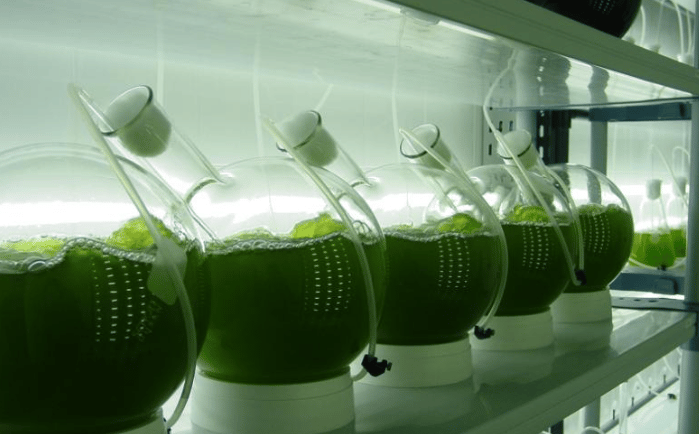
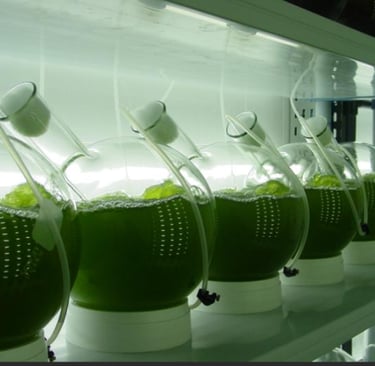
Microalgae, being varied organisms have different cell sizes and morphological characteristics that distinguish them from each other, playing a crucial role in determining how to feed your filter feeders.
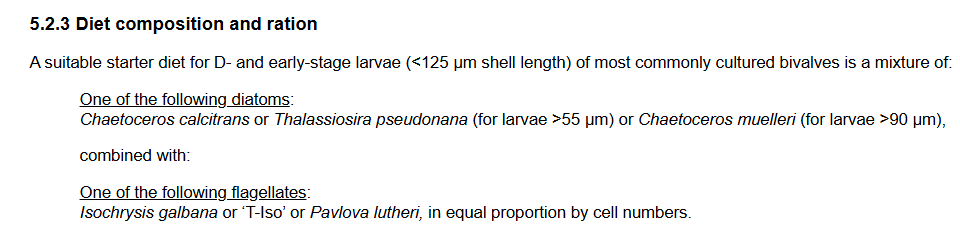
Let's start at the D hinge stage of bivalve larvae. Here, you see that Isochrysis/Tisochrysis is required in conjunction with a diatom like Chaetoceros muelleri. This is because early larval development in both bivalves and copepods require DHA, a fatty acid required for growth. However, as the larvae start to reach 120 microns in mean shell length, around the Velinger stage of development, they require a third microalgae called Tetraselmis to fuel metamorphosis. Tetraselmis is preferred over other microalgae species for it's high carbohydrate content, which is important for later stages.
The main limitation here is using bioavailable microalgae in the right size based on the current stage. Bivalve larvae are strictly limited to feeding from their esophagus, whereas copepods are less constricting. Notice how nannochloropsis is not added-the cells walls are extremely unsuitable for bivalve larvae, and only pose value for copepods.
So why not just use one algae strain? The truth is simple- one microalgae cannot cover all the nutrients bivalves need. "Mixed algal diets are beneficial. A combination of two or three high nutritional value species including a suitably sized diatom and a flagellate invariably provide improved rates of larval growth and development than do single species diets (Figure 68). They also improve spat yields and influence the subsequent performance of spat in terms of both growth and survival." (Figure 68) This means if you want your creatures to be the most healthy they can be, using mixed diets such as ours is the best way to go.
The hatchery culture of bivalves: a practical manual
Nutritional properties of microalgae for mariculture - ScienceDirect
© 2026 Orr Biologicals. All rights reserved.
Phyconet is an experimental open‑source project. Results will vary depending on your algae strain, reactor setup, and local conditions. We make no guarantees of specific yields. The AI is a research tool, not a certified safety device. By supporting this campaign, you’re helping us test and improve a prototype that we believe will make algae cultivation easier for everyone.
Limitation of Liability
To the fullest extent permitted by law, Orr Biologicals and its owners shall not be liable for any direct, indirect, incidental, or consequential damages arising from your use of the spirulina cultures, the information on this site, or any products derived from them. This includes, but is not limited to, illness, allergic reactions, or economic losses.
Compliance with Local Laws
Spirulina cultivation and sale may be regulated in your area. It is your responsibility to check with your local health or agricultural authority before buying or growing spirulina. We do not certify that our cultures meet any particular legal standard for food safety.
Please note that the creator of MAIN is a minor operating this project
as an educational and non‑commercial open‑source initiative.
Any purchases, donations, or transactions are processed through
third‑party platforms (e.g., Experiment.com, BTCPay Server) and are
subject to those platforms' terms and age requirements. By supporting
this project, you acknowledge that you are engaging with an open‑source
community effort, not a legally incorporated business.