
Pavlova Lutheri
The Complete Guide to Pavlova lutheri
STRAINS
5/9/20263 min read
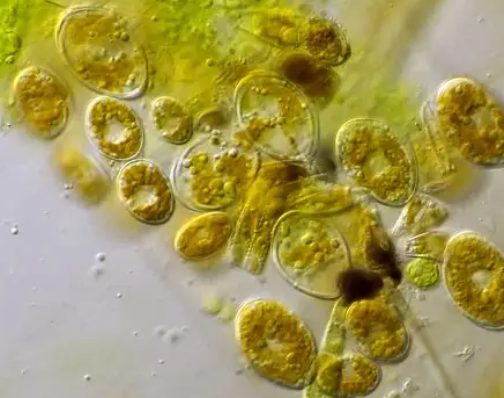
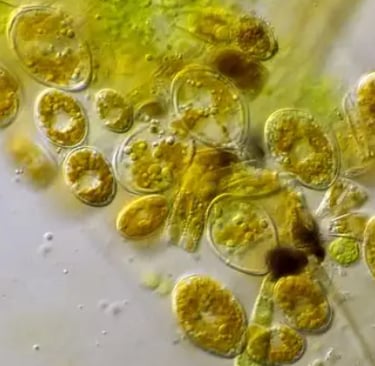
In the world of high-performance microalgae, Pavlova lutheri holds a special place. While species like Isochrysis are known as the workhorses for DHA and Nannochloropsis for EPA, Pavlova is revered for a more nuanced and critical role: triggering settlement in bivalve larvae. This golden-brown flagellate is a nutritional powerhouse, rich in essential fatty acids, but its true value lies in a unique sterol profile that acts as a biochemical cue for metamorphosis.
This guide breaks down the complete nutritional science of Pavlova lutheri and explains its profound impact on the survival and development of marine filter feeders.
What is Pavlova lutheri?
Pavlova lutheri is a small (3–7 µm) haptophyte microalga, differentiated from other microalgae due to rescense of fucoxanthin, an antioxiant. It is motile, propelled by flagella, which helps to keep it suspended in the water column, making it valuable for feeding copepods that rely on live, active feed.
Like Rhodomonas, it has a soft, digestible cell wall, meaning it is bioavailable to filter feeders without complex bile salt emulsification or other specialized digestive glands. In commercial hatcheries, Pavlova is rarely used as a monoculture but is considered a important component of phytoplankton blends, especially during the late larval stages leading up to settlement.
The Nutritional Profile: More Than Just Fatty Acids
1. Fatty Acid Profile (DHA & EPA)
Pavlova is an excellent source of long-chain polyunsaturated fatty acids (LC-PUFAs), providing a balanced profile of both DHA and EPA.
DHA (Docosahexaenoic Acid): Typically 10-15% of total fatty acids. Essential for neural development, membrane fluidity, and preventing deformities in developing larvae.
EPA (Eicosapentaenoic Acid): Typically 15-20% of total fatty acids. Critical for immune function, growth signaling, and as a precursor to anti-inflammatory eicosanoids.
While Isochrysis is more DHA-dominant and Nannochloropsis is more EPA-dominant, Pavlova provides a robust, balanced supply of both, making it a versatile component in any nutritional blend.
2. The Sterol Profile: The "Settlement Trigger"
This is the most important and unique feature of Pavlova lutheri. Bivalve larvae cannot synthesize the sterols required to initiate metamorphosis from a swimming larva to a settled spat. They must acquire these sterols from their diet.
Pavlova is exceptionally rich in a specific class of sterols, including stigmasterol and brassicasterol. These compounds, when ingested by a competent pediveliger larva, act as precursors for the hormones that trigger the complex cascade of events leading to settlement and metamorphosis.
Studies have shown that larvae fed diets rich in Pavlova exhibit significantly higher settlement rates and faster metamorphosis compared to those fed diets lacking these specific sterols. This "settlement trigger" effect is why hatcheries consider Pavlova non-negotiable in their late-stage larval feeding protocols.
3. Pigments and Vitamins
Fucoxanthin: The primary carotenoid that gives Pavlova its golden-brown color. It is a potent antioxidant that protects larval tissues from oxidative stress.
Vitamin C (Ascorbic Acid) & Vitamin E (Tocopherol): Pavlova is a rich source of these essential vitamins, which function as powerful antioxidants and co-factors in numerous metabolic processes, further enhancing larval health and resilience.
Impact on Filter Feeders
Bivalve Larvae (Oysters, Clams, Scallops)
Increased Settlement Success: The primary benefit. The unique sterol profile directly induces a higher percentage of pediveliger larvae to settle and successfully metamorphose into spat.
Improved Growth & Survival: The balanced DHA/EPA profile supports healthy membrane development, reduces deformities, and provides the energy reserves needed to survive the non-feeding metamorphic period.
Enhanced Stress Resistance: High concentrations of fucoxanthin, Vitamin C, and Vitamin E provide robust antioxidant protection, helping larvae withstand fluctuations in water quality and temperature.
Copepods and Rotifers
Nutritional Enrichment: When copepods and rotifers are fed Pavlova, they become "gut-loaded" with its rich fatty acid and sterol profile. This makes them a far more nutritious live food source for larval fish and other predators.
Improved Fecundity: The balanced lipids and vitamins support higher egg production rates and better nauplii survival in cultured copepod populations.
Reef Invertebrates (Corals, Clams, Sponges)
Direct Feeding: Its small size and digestibility make it an ideal food for a wide range of filter-feeding corals (especially NPS corals), Tridacna clams, sponges, and fan worms.
Color Enhancement: The carotenoids, particularly fucoxanthin, can be incorporated into the tissues of corals and clams, potentially enhancing yellow, orange, and brown coloration.
Summary: Why You Should Culture Pavlova
For the serious hobbyist or small-scale hatchery, Pavlova lutheri is not just another phytoplankton — it's a strategic tool.
It Triggers Settlement: Its unique sterol profile is a proven biochemical cue for bivalve metamorphosis.
It's a Balanced Powerhouse: It delivers high levels of both DHA and EPA in a single, highly digestible cell.
It Boosts Your Live Food: It turns copepods and rotifers into super-nutritious snacks for your fish and corals.
It's Rich in Antioxidants: Fucoxanthin and vitamins protect your delicate larvae from stress.
While slightly more challenging to culture than Nannochloropsis, the dramatic improvements in larval settlement and survival make Pavlova lutheri one of the most valuable species you can add to your laboratory inventory.
© 2026 Orr Biologicals. All rights reserved.