
Rhodomonas Salina
Meet Rhodomonas, the unique red microalgae that is perfect for copepods and other filter feeders!
STRAINS
5/9/20263 min read
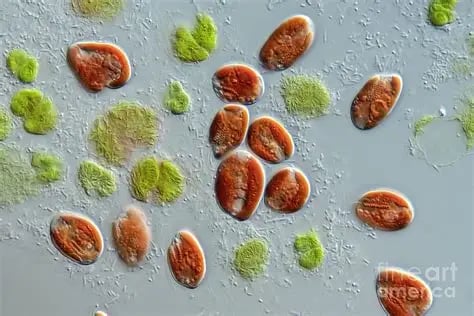
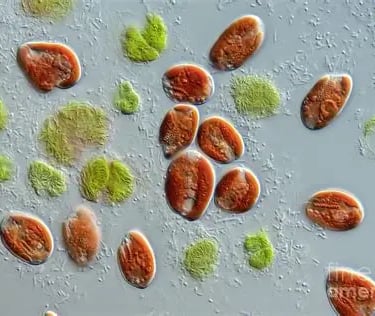
Rhodomonas salina is a unicellular cryptophyte alga: a member of the division Cryptophyta, class Cryptophyceae. It is a motile, flagellated microalga measuring 8–12 micrometers in diameter, meaning it can last in the water column for a long time after dosing. Its most recognizable feature is its distinctive red-brown coloration, caused by the pigment phycoerythrin housed in the chloroplast, which adds antioxidant value.
Rhodomonas has been trusted in the mariculture industry, being the top-performing single species for copepod fecundity, bivalve larval nutrition, and general filter feeder performance.
Rhodomonas Salina is a red microalga belonging to the genus crytomonads, found in many marine waters worldwide. It is draped in a thin periplast/plasma membrane, making it easily digestible by copepods. Phycoerythrin gives Rhodomonas it's distinct red hue but can serve as a potent antioxidant when consumed. This microalgae also harbors alloxanthin, which are converted by copepods into astaxanthin, which is nature's most potent free radical scavenger. Furthermore, Rhodomonas contains unusually high amounts of all the essential fatty acids (DHA, EPA, and ARA) making it a full spectrum omega 3 fatty acid powerhouse.
Measurable Outcomes in Organisms Fed Rhodomonas
In Oyster, Clam, and Scallop Larvae
Many studies comparing Nannochloropsis and Rhodomonas show higher digestion rates and survival when fed Rhodomonas. Growth rate is measurably faster, producing larger larvae with more developed velum at each growth stage. The great lipid profile this algae contains provides better fuel reserves for metamorphosis, a particularly stressful time for bivalves. Settlement rate from Pediveliger to spat is also higher, and deformity rates are also lower, particularly for shell formation abnormalities linked to DHA deficiency.
In Copepods
Nauplii production per female per day is higher in Rhodomonas-fed populations than in populations fed any other single species, including Isochrysis and Nannochloropsis. Populations also increase faster with Rhodomonas feeding. The DHA content of the copepod body is higher, meaning trophic transfer of this essential fatty acid to copepod-eating fish is more efficient. This means healthier fish larvae and corals.
In Reef Invertebrates
NPS coral polyp extension response to Rhodomonas is strong. Tridacna clam mantle coloration is enhanced over time due to pigment uptake from the phycoerythrin and carotenoid fraction. Filter-feeding sponges, fan worms, and feather dusters show sustained feeding response to Rhodomonas dosing. Water quality impact is minimal compared to Chlorella dosing because almost no cells pass through uneaten, meaning nothing is wasted.
"Color Stability of Phycoerythrin Crude Extract (PECE) from Rhodomonas Salina Toward Physicochemical Factors" (ResearchGate, 2019).
"The effect of dietary microalgae on the fatty acid profile, fecundity and population growth of the calanoid copepod Pseudodiaptomus hessei" (University of Fort Hare).
Comparison of growth and biochemical parameters of two strains of Rhodomonas salina cultivated under different combinations of irradiance, temperature, and nutrients" (ResearchGate).
Resource: Industry summaries from Reef Legends and PodDrop.
━━━━━━━━━━━━━━━━━━━━━━━━━━━━━━━━━━━━━━━━━━━━━━━━━━━━━━━━━━━━━━━━ SECTION 2: NUTRITIONAL PROFILE (per 1 million cells) ━━━━━━━━━━━━━━━━━━━━━━━━━━━━━━━━━━━━━━━━━━━━━━━━━━━━━━━━━━━━━━━━ ┌─────────────────────────────────────────────────────────────────┐ │ MACRONUTRIENT BREAKDOWN │ ├────────────────────┬──────────────┬──────────────────────────── │ │ Component │ % Dry Weight │ Notes │ ├────────────────────┼──────────────┼──────────────────────────── │ │ PROTEIN │ ~45–55% │ Complete amino acid profile │ │ LIPIDS (total) │ ~15–25% │ High % as polar lipids │ │ CARBOHYDRATES │ ~15–20% │ Starch + soluble sugars │ │ ASH (minerals) │ ~5–10% │ Ca, Mg, Fe, Zn, Mn, K │ └────────────────────┴──────────────┴──────────────────────────── ┘ ┌─────────────────────────────────────────────────────────────────┐ │ FATTY ACID PROFILE (% Total FA) │ ├────────────────────┬──────────────┬──────────────────────────── │ │ Fatty Acid │ % Total FA │ Function in Filter Feeder │ ├────────────────────┼──────────────┼──────────────────────────── │ │ ★ DHA (22:6n-3) │ ~12–18% │ Brain, nervous system, eye │ │ ★ EPA (20:5n-3) │ ~10–15% │ Membrane integrity, immune │ │ ALA (18:3n-3) │ ~5–8% │ Precursor to DHA/EPA │ │ SDA (18:4n-3) │ ~8–12% │ Conversion bridge FA │ │ Palmitic (16:0) │ ~15–20% │ Structural saturated FA │ │ Stearic (18:0) │ ~3–5% │ Structural saturated FA │ │ Oleic (18:1n-9) │ ~5–8% │ Energy storage FA │ └────────────────────┴──────────────┴──────────────────────────── ┘ ★ = ESSENTIAL. Cannot be made by filter feeders. Must be obtained from diet. Rhodomonas delivers both. ┌─────────────────────────────────────────────────────────────────┐ │ PIGMENT PROFILE │ ├──────────────────────────────────┬──────────────────────────── │ │ Pigment │ Role │ ├──────────────────────────────────┼──────────────────────────── │ │ ★ PHYCOERYTHRIN (R-PE) │ Signature red pigment. │ │ │ Protein-bound. Directly │ │ │ assimilated. Antioxidant. │ │ ALLOXANTHIN (unique xanthophyll) │ ONLY found in cryptophytes. │ │ │ Potent antioxidant. │ │ │ Improves larval survival. │ │ CHLOROPHYLL a │ Primary photosynthetic pigm │ │ CHLOROPHYLL c │ Accessory light capture │ │ α-CAROTENE │ Antioxidant, provitamin A │ └──────────────────────────────────┴──────────────────────────── ┘ ┌─────────────────────────────────────────────────────────────────┐ │ STEROL PROFILE │ ├──────────────────────────────────┬──────────────────────────── │ │ Sterol │ Role │ ├──────────────────────────────────┼──────────────────────────── │ │ ★ BRASSICASTEROL │ Membrane fluidity │ │ ★ ERGOSTEROL │ Precursor to vitamin D │ │ CHOLESTEROL (trace) │ Hormone synthesis │ └──────────────────────────────────┴──────────────────────────── ┘ ★ = Bivalve larvae CANNOT synthesize sufficient sterols. Rhodomonas provides them directly.
© 2026 Orr Biologicals. All rights reserved.