Species guide
Chaetoceros
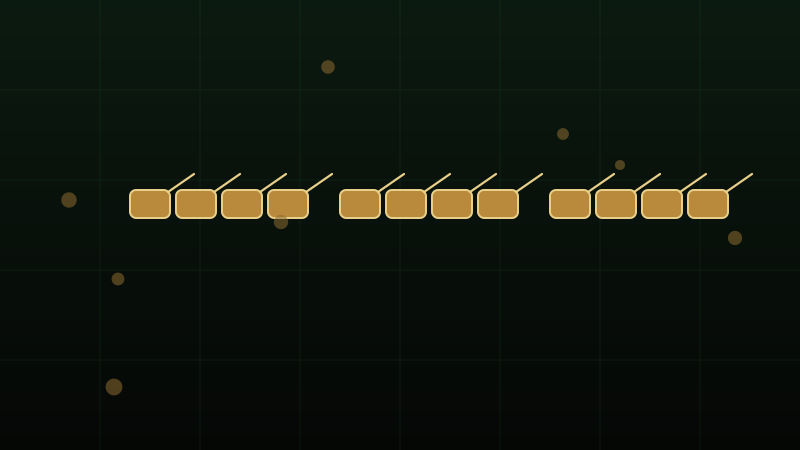
Chaetoceros is the bristled chain-builder of the hatchery: rectangular diatom cells strung together, each corner armed with long setae. From umbo-stage oysters to shrimp zoeae, it is the diatom that carries marine larvae through the second half of their development.
- What it is
- A genus of chain-forming marine diatoms — among the most important live feeds in shellfish and shrimp hatcheries.
- Taxonomic group
- Bacillariophyceae (centric diatoms); cultured species include C. muelleri, C. calcitrans and C. gracilis.
- Typical appearance
- Rectangular to cylindrical cells linked into chains, with long thin bristles (setae) projecting from the corners.
- Typical size
- Individual cells roughly 4–20 µm; chains longer.
- Culture characteristics
- Fast-growing in well-lit, well-mixed cultures with adequate silicate; species differ in size and temperature preference. Chains can clump or settle if stagnant.
- Major applications
- Bivalve larval feeds (a diatom staple from umbo stage onward), shrimp zoea and mysis feeds, broodstock conditioning.
- Typical users
- Bivalve and oyster hatcheries, shrimp hatcheries, live-feed rooms, phytoplankton suppliers.
Why aquaculture values it
Chaetoceros is the diatom that bivalve hatcheries actually run. It enters rations as soon as larvae can handle diatoms and dominates later stages — see our stage-specific ration table. In shrimp hatcheries it is equally standard for zoeal stages. Its chains present a large, nutritious surface that many grazers handle well.
Nutrition and important compounds
Like all diatoms it requires silicate for its cell wall, and it brings a diatom's sterols and pigments to mixed rations — the complement to the haptophytes' EPA and DHA. Cultured species differ in size: C. calcitrans suits earlier stages; C. muelleri and C. gracilis carry later ones.
A note on culture parameters
Culture parameters differ between species and strains — temperature optima in particular vary across the cultured Chaetoceros species. Treat any single set of numbers as species-specific and strain-dependent.
Frequently asked questions
Why do hatcheries use Chaetoceros instead of other diatoms?
Chain-forming cells with setae are easy for many grazers to capture, the species grow fast, and they tolerate hatchery conditions better than many diatoms.
Do Chaetoceros cultures need special nutrients?
Silicate is the non-negotiable one — it is a diatom. Standard marine media with silicate (f/2 includes it) cover the requirement.
Why does my Chaetoceros culture settle out?
Chains clump and sink when mixing is poor or cultures are left static. Diatom cultures generally need more agitation than flagellates.