
Isochrysis: Copepod and Rotifer feeding
ALGAE
4/17/20261 min read
Isochrysis Galbana is a marine haptophyte measuring 2-6 microns that is exceptionally high in the fatty acid DHA, which is needed for maintaining cell membranes and nervous tissue in marine life. Zooplankton such as copepods, rotifers, and other larvae can easily digest Isochrysis due to it's thin cell wall. Furthermore, Isochrysis is motile, remaining suspended in the water column with it's flagella, meaning it will not become detritus if uneaten and instead will stay in your tank for days consuming excess nitrates.
Another added benefit of Isochrysis is that it's accessory pigment, Fucoxanthin, is a prominent free radical scavenger that helps assuage potential environmental stressors to those consuming it.
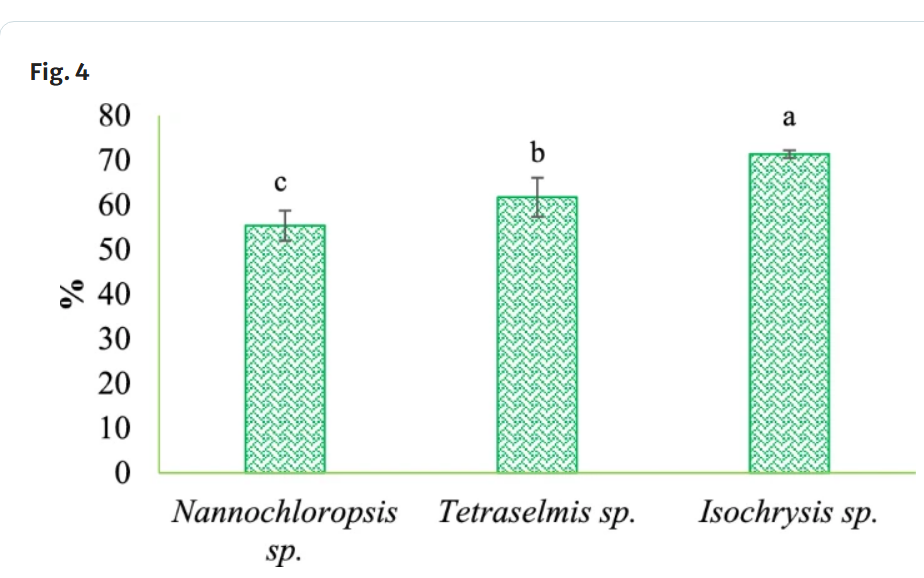
In a comparison done between Tetraselmis, Nannochloropsis, and Isochrysis for the feeding of Green Mussle Spat, Isochrysis showed the highest survival rates indicating how essential DHA really is. It is a well known fact Isochrysis is the backbone for bivalve feed and other filter feeders, and it would be a mistake to exlcude it.
Islam, Zahidul, et al. Discover Food, vol. 5, no. 1, 26 Feb. 2025, doi:10.1007/s44187-025-00315-8.
Huanacuni, Jordan I, et al. “Influence of Salinity, Temperature, Photoperiod, and Isochrysis Galbana Microalgal Cell Density on the Growth of the Marine Copepod Oithona Nana.” Animals : An Open Access Journal from MDPI, U.S. National Library of Medicine, 8 Sept. 2025, pmc.ncbi.nlm.nih.gov/articles/PMC12427330/#abstract1. Accessed 17 Apr. 2026.
© 2026 Orr Biologicals. All rights reserved.